
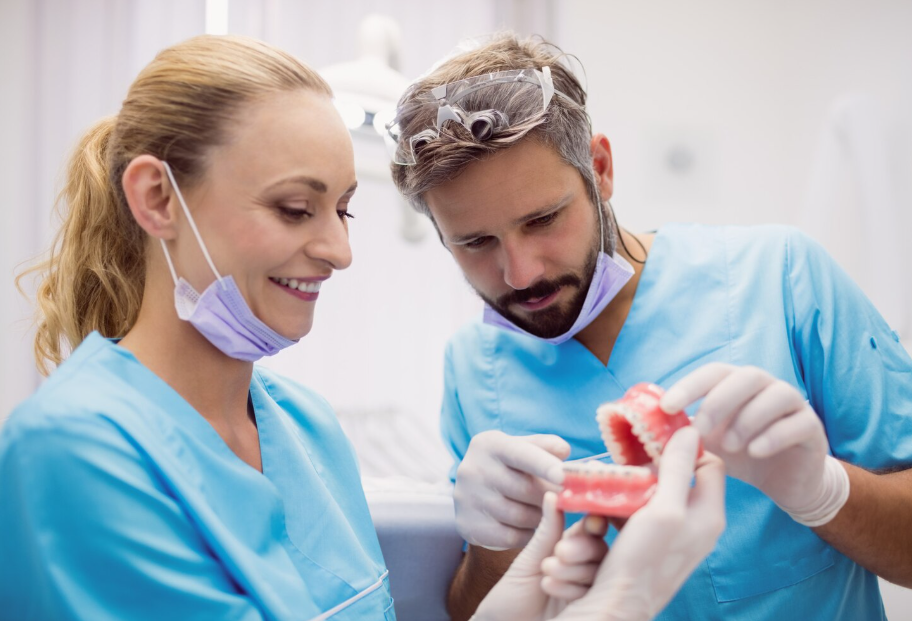
Dental implants can last a long time, sometimes 20 years or more, but it really depends on how you take care of them. Brushing, flossing, and seeing a dentist regularly helps a lot. Talking to an expert dentist can make things a little easier when you’re figuring out what habits actually matter.
Even small daily habits add up over time. Sometimes you notice tiny changes in your mouth that make a big difference. Implants aren’t magic; they need a bit of attention.
Factors Affecting Implant Longevity
A lot of things influence how long implants last. Plaque and bacteria can sneak up if you’re not brushing and flossing properly. That can lead to inflammation around the implant, which nobody wants.
Bone strength also matters. Stronger bones give implants a better foundation, so they’re less likely to loosen. Health issues or slow healing can also affect how well implants stay put.
Even your daily routine can make a difference. Stress, sleep, and diet all play a part. It’s surprising how much it adds up.
Average Lifespan of Dental Implants
With good care, implants can stick around for decades. Most implants have a 95% success rate over ten years, which is solid.
But things like smoking, uncontrolled diabetes, or skipping brushing can shorten that. Regular checkups and cleaning help a lot, even if you think everything is fine.
Avoid using teeth as tools or chewing tough things. Little habits like that really add up over time. The longer you pay attention, the longer your implants last.
Maintenance Tips for Prolonged Durability
Daily care makes a huge difference. Brushing twice, flossing carefully, and rinsing with mouthwash helps keep things under control.
Dentist visits are worth it. They can spot early signs of trouble, sometimes before you even notice. Watching what you eat helps, too, because hard or sticky foods can cause problems.
Smoking slows healing and makes problems more likely. If you grind your teeth or play contact sports, a mouthguard can help. All those small things together really matter in the long run.
Common Reasons for Implant Failure
Implants fail for a few main reasons, most of which are preventable. Skipping brushing and flossing often causes infections.
Weak bone or poor integration can make an implant loosen. Smoking or specific health issues can worsen it. Sometimes the implant or parts can break, or too much pressure while chewing can cause trouble.
Early detection is key. Catching issues with a dentist can stop bigger problems before they start.
Importance of Regular Dental Check-Ups
Checkups aren’t just for cleaning. Dentists can notice small changes, like redness or swelling, before they get worse.
They also check how your jawbone is holding up and how the implant fits. Advice on brushing angles, flossing, and diet helps too.
Even when nothing feels wrong, those visits make a difference. You’re staying ahead of problems before they grow.
Enhancing Implant Longevity: Diet and Habits
What you eat and how you live affect implants more than you might think. Foods with vitamins and minerals keep gums and bones strong.
Too much sugar or acidic food can be rough on implants. Smoking and drinking a lot slow healing and causes problems. Exercise helps circulation and keeps tissues healthier.
Paying attention to these small things makes a noticeable difference. Diet, habits, and care all add up to longer-lasting implants.
Related Topics: