
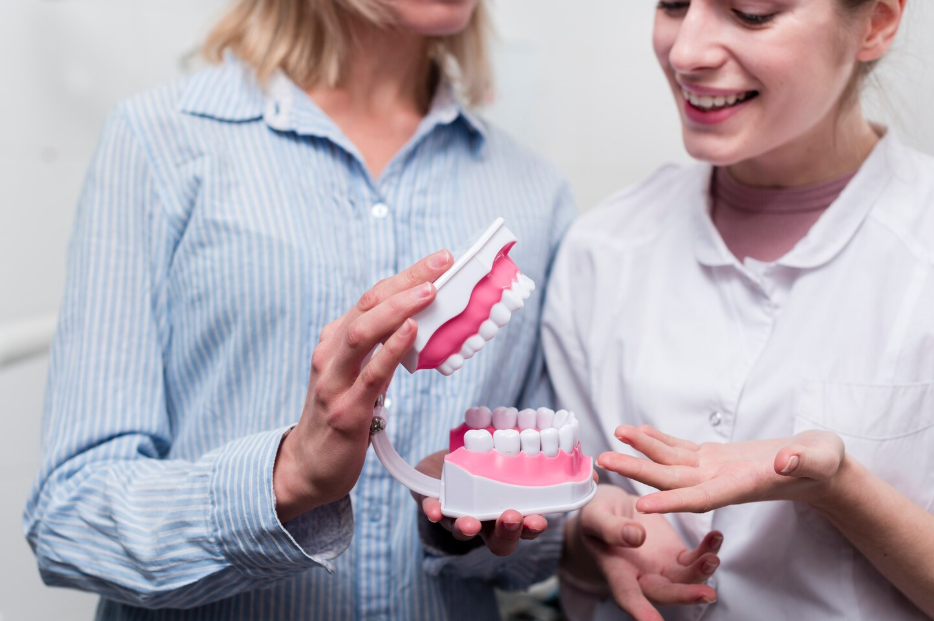
Dental implants basically come in three types, depending on what your mouth needs. Endosteal implants are the ones you hear about most. They go directly into the jawbone. Subperiosteal implants are for people who don’t have a lot of bone to work with, and zygomatic implants are for trickier cases up in the upper jaw. Each one kind of works like a permanent stand-in for a real tooth, so chewing and smiling feel normal again.
If you’re thinking about implants, it’s worth checking in with a local dentist in Huntington Beach, CA. They can help figure out which type really fits your situation, whether it’s just one tooth or replacing several.
Endosteal Implants: The Gold Standard Choice
Endosteal implants dominate the dental implant market because of their proven track record and versatility. These titanium posts get surgically placed directly into the jawbone, where they fuse with surrounding bone tissue through osseointegration. This biological process typically takes 3-6 months and creates an incredibly strong foundation.
The screw-like design allows these implants to support single crowns, bridges, or even complete dentures. Patients need adequate bone density for successful placement, which is why dental professionals often recommend bone grafting procedures when necessary. Success rates exceed 95% in healthy patients, making endosteal implants the preferred choice for most tooth replacement scenarios.
These implants work particularly well for patients who maintain good oral hygiene and have sufficient jawbone structure. The placement procedure involves creating a small hole in the bone, inserting the titanium post, and allowing healing time before attaching the final restoration.
Subperiosteal Implants: Solutions for Limited Bone Height
Subperiosteal implants take a different approach by sitting on top of the jawbone rather than being inserted into it. A custom metal framework gets positioned under the gum tissue, with posts extending through the gums to hold prosthetic teeth securely in place.
This option becomes valuable when patients lack sufficient bone height and cannot undergo bone enhancement procedures. The framework design gets customized to fit each patient’s unique jaw contours, creating a personalized solution that works around existing bone limitations.
Placement involves exposing the jawbone, fitting the custom framework, and allowing the gums to heal around the protruding posts. While less common than endosteal implants, subperiosteal options provide stability for patients who might otherwise struggle with traditional dentures or face extensive bone grafting requirements.
Zygomatic Implants: Advanced Solutions for Severe Bone Loss
Zygomatic implants represent the most complex dental implant option, designed specifically for upper jaw cases with severe bone deterioration. Instead of anchoring into the jawbone, these longer implants extend into the zygoma (cheekbone), which typically maintains better bone density even when the jawbone has been lost.
These specialized implants measure significantly longer than traditional options, sometimes reaching 30-55mm in length. The procedure requires extensive training and expertise due to the proximity to sinuses, nerves, and other facial structures. Patients often choose zygomatic implants to avoid lengthy bone grafting procedures that could extend treatment timelines by months or years.
The placement technique involves accessing the cheekbone through the mouth, making precise measurements, and securing the implant in dense zygomatic bone. Recovery tends to be more involved than standard implant procedures, but the results can be life-changing for patients who previously had few options.
Additional Implant Options Worth Considering
While the three main categories cover most situations, dental technology has expanded to include specialized variations. All-on-4 implants use four strategically placed posts to support complete arch restorations, offering full mouth solutions with fewer implants than traditional approaches.
Mini dental implants, with their smaller diameter, serve patients with space constraints or those seeking less invasive procedures. These work particularly well for securing loose dentures or replacing smaller teeth in tight spaces.
Immediate load implants allow same-day placement of temporary teeth, though careful patient selection is crucial for success. Not every case qualifies for immediate loading, but when appropriate, this approach can dramatically reduce treatment time.
Choosing the Right Implant Type
The selection process depends on several factors, including bone density, location of missing teeth, overall health status, and treatment timeline preferences. Comprehensive dental exams, CT scans, and medical history reviews help determine the most appropriate approach for each patient.
Patients should discuss their lifestyle needs, budget considerations, and long-term goals with their dental team. Some situations might require preliminary treatments like periodontal therapy or bone grafting before implant placement can begin.
Working with experienced implant dentists ensures proper treatment planning and optimal outcomes. The investment in quality dental implants typically pays off through improved quality of life, better nutrition from restored chewing function, and enhanced confidence in social situations.
Contact Us
Have questions or ready to book your appointment? We’re here for you!
Visit us: 16052 Beach Blvd #120B, Huntington Beach, CA 92647
Give us a call: (714)-542-8888
Email us: TheWisdomTeethGuru@gmail.com
Office hours:
- Monday to Friday: 9:00 AM-5:00 PM
- Saturday: 9:00 AM – 1:00 PM
- Sunday: Closed
Prefer online? Fill out our appointment form with your name, contact details, and the reason for your visit. We’ll get back to you promptly.
We look forward to helping you smile with confidence!
Related Topics: