
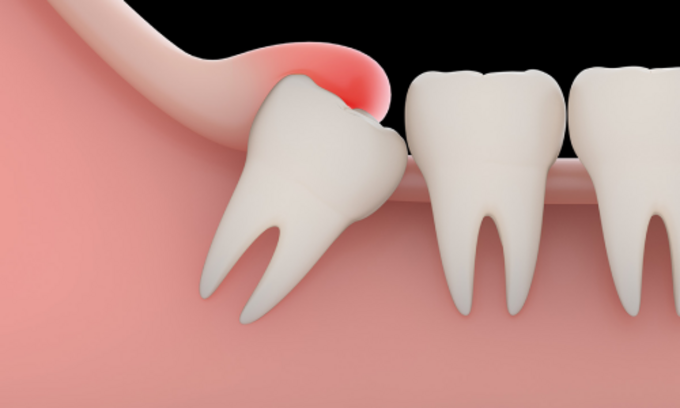
Wisdom teeth don’t always come in smoothly, and when they get stuck beneath the gum line, they’re considered impacted. This can cause a range of uncomfortable symptoms that signal it’s time to take action. Your local dental clinic can assess the situation and determine whether removal is appropriate for you. This post covers the most common signs of impacted wisdom teeth and why they often need to come out. Knowing what to watch for helps you address the problem before it gets worse.
Pain and Tenderness in the Jaw
When wisdom teeth get impacted, you’ll often feel sharp pain and tenderness in your jaw. This happens because the stuck tooth puts pressure on the tissues and nerves around it. The pain might spread from the back of your mouth to your ear or down your neck. Chewing or opening your mouth wide can make it worse. Sometimes the tenderness comes with swelling or redness in that area. Don’t ignore this pain; it can lead to infections or damage to nearby teeth if left alone. Getting checked by a dentist helps you figure out what’s going on and how to fix it.
Swelling in Gums or Jaw
Swollen gums or jaw often point to impacted wisdom teeth and signal that something needs attention. When wisdom teeth don’t break through properly, they can cause the surrounding gum tissue or jaw to swell due to infection or inflammation. You might notice redness, tenderness, and trouble opening your mouth all the way. This swelling can press against nearby teeth, causing discomfort and altering your bite. In bad cases, the swelling can even make it hard to swallow or breathe. If you notice ongoing swelling in your gums or jaw, getting it looked at right away can prevent bigger problems and keep your impacted wisdom teeth under control.
Difficulty Opening Mouth Fully
Having trouble opening your mouth fully is a common sign of impacted wisdom teeth. This happens when the stuck teeth push against surrounding tissues, causing inflammation and swelling that limits how far your jaw can move. You might struggle to open wide enough to eat or talk normally. This restriction can bring on discomfort, pain, and stiffness in your jaw muscles. If you keep having this problem, it usually means the impaction is more serious, and the teeth may need to be removed to stop the discomfort and avoid further issues.
Bad Taste or Bad Breath
Constant bad taste or bad breath can be a sign of impacted wisdom teeth. When these teeth are stuck, they create pockets where food and bacteria build up, leading to unpleasant odors and tastes. The trapped debris becomes a breeding ground for bacteria that cause the smell. This symptom matters because it affects your oral hygiene and can signal an infection in the making. Brushing, flossing, and using mouthwash can help temporarily manage the smell. But the real fix usually involves removing the impacted wisdom teeth to eliminate the problem at its source.
Crowding or Shifting Teeth
Impacted wisdom teeth can push against your other teeth, causing crowding or shifting. When there’s not enough room for wisdom teeth to come in properly, they press on neighboring teeth and force them out of alignment. This can crowd your mouth, mess with your bite, and make chewing uncomfortable. As the wisdom teeth keep growing and pushing, you might end up with overlapping or crooked teeth. Keeping an eye on where your wisdom teeth sit helps prevent long-term dental problems. Regular dental checkups let you catch these issues early and protect your overall alignment.
Recurring Infections or Abscesses
People with impacted wisdom teeth often experience recurring infections or abscesses. When wisdom teeth can’t fully break through the gums, they leave pockets where food and bacteria get trapped. This buildup can cause infections or abscesses. You’ll notice pain, swelling, redness, and sometimes pus around the affected tooth. These recurring infections make chewing difficult, cause bad breath, and can even affect your overall health if left untreated. Removing impacted wisdom teeth is often the best way to stop these infections from returning and keep your mouth healthy.
Related Topics: