Getting your wisdom teeth pulled means taking extra care of your mouth while it heals. Knowing when and how to brush properly can make a big difference in your recovery. This post covers what to expect in the days after surgery, from immediate aftercare to gentle brushing techniques. A leading dentist can guide you through the healing process and help you avoid common mistakes. We’ll break down the timeline so you know exactly what to do at each stage.
Immediate Post-Surgery Care
Right after your wisdom teeth come out, gently rinsing your mouth with warm salt water helps keep the surgical site clean and speeds up healing. This simple step can prevent infection and support recovery. Be gentle when you rinse so you don’t disturb the healing tissue. You can still brush your teeth like normal, but stay careful around the surgical area to avoid irritation. Use a soft-bristled toothbrush and skip any hard scrubbing. If you feel discomfort or notice anything unusual, reach out to your healthcare provider right away. Taking these steps protects your oral health and sets you up for a smooth recovery.
First 24 Hours After Extraction
The first 24 hours after extraction are crucial to your recovery. During this time, avoid rinsing hard, spitting, or touching the extraction site. Gentle saltwater rinses work best for keeping the area clean. Swelling and pain are normal, so follow your dentist’s advice for managing discomfort. Stick to soft foods and avoid hot drinks that could irritate. If bleeding continues, gently bite down on a gauze pad. Following these steps during day one helps your body heal the way it should.
Days 2-3: Gradual Reintroduction
As you move into days 2 and 3, you can gradually reintroduce certain activities and foods to support your recovery. Focus on soft, easy-to-chew foods that won’t put pressure on the extraction sites. Stay away from crunchy, spicy, or acidic foods that might irritate the healing areas. Keep your mouth clean by gently rinsing with saltwater after meals. Even if you start feeling better, take it easy and avoid anything too physical that could slow down healing. Pay attention to how your body feels, and give yourself the time and care you need to bounce back.
Days 4-7: Gentle Brushing Techniques
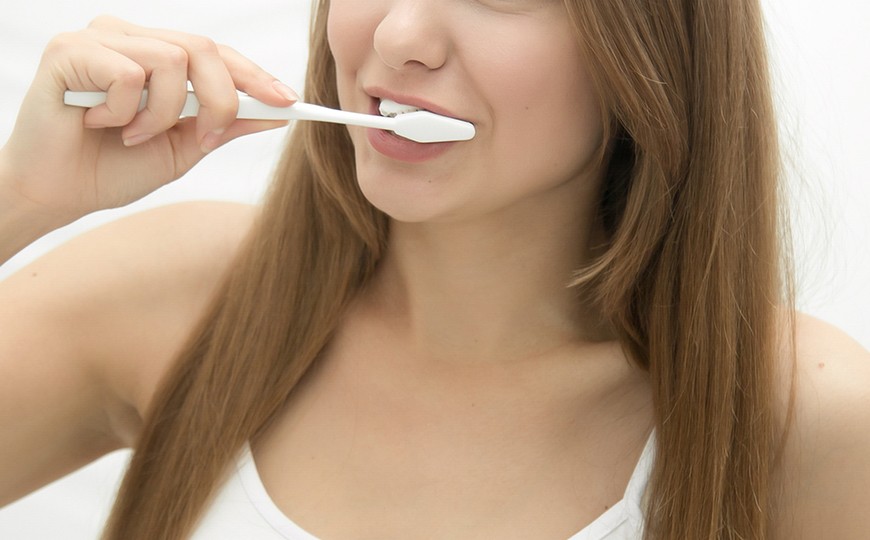
During days 4 through 7, gentle brushing becomes a bigger part of your routine to help the healing process along. Your gums are still recovering, so be careful not to disturb the delicate tissue. Use a soft-bristled toothbrush and non-abrasive toothpaste, brushing in small circular motions to clean your teeth without causing harm. Pay close attention to the surgical sites and clean them carefully to prevent infection. Rinse your mouth thoroughly after brushing to remove any remaining food particles. Practicing these gentle techniques supports healing and keeps your mouth healthy after surgery.
Beyond the First Week
After the first week, maintaining proper oral care remains a priority to support healing and good hygiene. Your mouth might still be sensitive, so continue being gentle when you brush. Stick with a soft-bristled toothbrush to avoid irritating the surgical sites. Brush twice a day, thoroughly cleaning all tooth surfaces while being careful around the extraction sites. If your dentist recommended a specific mouthwash or oral care product, make sure to use it as directed. Eat a balanced diet, drink plenty of water, and avoid smoking or using straws since these can mess with the healing process.
Follow-Up With Your Dentist
Scheduling a follow-up appointment lets your dentist check that everything is healing properly and answer any questions you have after surgery. This visit allows them to assess your recovery, look for signs of infection, and catch any complications early. Your dentist will also let you know when it’s safe to resume your normal brushing and flossing routine. This is a good time to discuss medication, food restrictions, or pain management, if needed. Your dentist is there to support you through recovery, so bring up any concerns or questions during this visit.
Related Topics: