
Address:
16052 Beach Boulevard #120,
Huntington Beach, CA, 92647.
Wisdom teeth removal can save you from a lot of headaches down the road, literally. Taking care of them early helps you avoid infections, decay, and bigger problems later on. At Wisdom Teeth Guru’s dental clinic, Dr. Kiet Tran, a top dentist in Huntington Beach, CA, makes the whole process easy and affordable. Right now, you can get all 4 wisdom teeth extracted for just $1,395, sedation included. It’s the best deal in Huntington Beach this year, so grab it while you can!
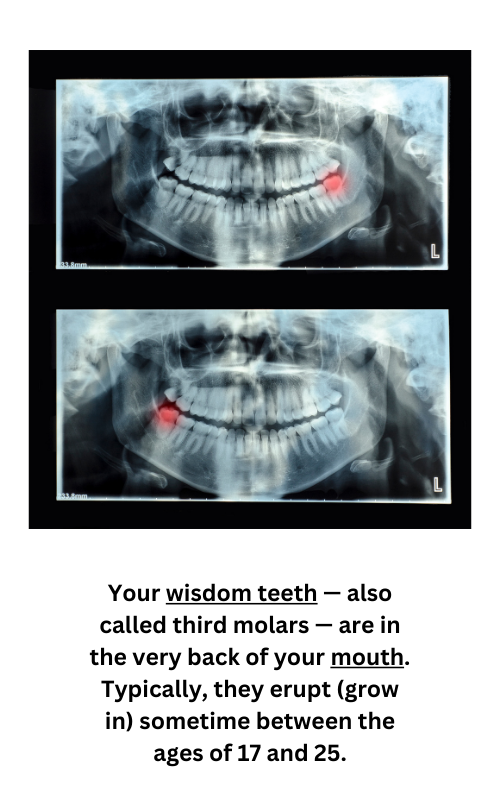
These guys typically make their grand entrance somewhere between ages 17 and 25, wrapping up your full set of adult teeth. Now, while getting wisdom teeth is totally normal and part of your oral health journey, it can honestly get a bit messy sometimes. According to the NIH, wisdom teeth are like that friend who causes drama wherever they go—they’re a frequent source of dental problems, especially when they become what’s called “impacted.” That basically means they can’t fully break through your gums, and trust me, that’s not fun.
When wisdom teeth get impacted, you’re looking at pain, infections, and they might even mess with your other teeth or jawbone. Here’s the thing though—infections around these back teeth are particularly annoying because, let’s face it, the back of your mouth is kind of a pain to clean properly. It’s like trying to wash dishes in a cramped sink; bacteria and food bits just love to hang out there. That’s why a lot of dentists will recommend getting problematic wisdom teeth removed early on, before they turn into bigger headaches and to keep your overall oral health on track. Honestly, understanding what’s going on with these teeth and what could go wrong is really the first step in making smart choices about your dental care.
One price for everything. Zero hidden fees.

Dr. Kiet Tran is your trusted partner for a pain-free wisdom teeth removal experience in Huntington Beach. With his expertise and commitment to your comfort, he ensures that the procedure is as comfortable as possible. Dr. Tran’s specialized knowledge in oral and maxillofacial surgery, along with his certification in IV Conscious Sedation/Twilight Sleep, allows you to undergo wisdom teeth removal without the fear of pain or discomfort.
As a skilled oral surgeon, Dr. Tran is experienced in managing complex wisdom teeth extractions, including impacted teeth and cases requiring advanced surgical care. If you’re looking for a stress-free solution to your wisdom teeth concerns, Dr. Kiet Tran is here to help you with your journey towards a healthier, happier smile. Learn more about the wisdom teeth removal process and its benefits by scheduling a consultation or reading further.
Before your surgery rolls around, your dentist’s probably going to dig into your medical history and might tell you to stop taking certain meds—especially those blood thinners that could cause some serious bleeding issues at the surgical site. It’s really important to follow all those eating and drinking rules they give you, and yeah, that usually means no food or drinks for several hours beforehand, particularly if they’re planning to use sedation or knock you out completely with general anesthesia.
Knowing what kind of anesthesia they’re planning can actually help you get your head and body ready for what’s coming—things like pain, swelling, or bruising that might catch you off guard otherwise. You’ll definitely want to line up a responsible adult who can drive you home and stick around for the first 24 hours, because trust me, sedation can really mess with how alert you are and your ability to take care of yourself.
Your dentist’s also going to walk you through what recovery looks like, including how to handle pain and swelling, and they might even share some tips to help calm those pre-surgery jitters. By really following your dentist’s advice to the letter, you’re setting yourself up for the best possible outcome from your wisdom teeth removal—and honestly, that’s what it’s all about.
Follow these easy steps before general anesthesia or IV sedation
During your consultation, the details of the procedure and any potential risks will be discussed with you. The removal of wisdom teeth typically involves anesthesia options such as local anesthesia, IV sedation, or general anesthesia, and surgical techniques may include making an incision in the gum and removing bone if necessary. If you have an impacted wisdom tooth, the procedure may require additional steps like cutting gum tissue or removing bone to access the tooth.
Infection is probably the biggest worry—it’s kind of what happens when bacteria or little bits of food get stuck where your tooth used to be, which isn’t fun at all. If you notice your pain getting worse instead of better, more swelling than expected, or bleeding that won’t quit, that’s your cue to call your dentist right away, okay? And look, in rare cases—we’re talking really uncommon here—the procedure might affect nearby teeth or nerves, which could leave you with some numbness or tingling in your tongue, cheek, or lip area.
Sometimes the dentist has to make cuts in your gum or deal with exposed bone to get those stubborn impacted teeth out, and yeah, that can bump up the risk of complications a bit. Then there’s this thing called dry socket, which sounds as unpleasant as it is—it’s when that protective blood clot at the extraction site gets lost, and trust me, it’s painful if you don’t follow those post-op instructions your dentist gives you. But here’s the thing: most of these problems are totally preventable if you just stick to your dentist’s care instructions and keep everything clean to avoid infections. If something feels off—unusual symptoms, pain that won’t ease up, swelling that seems excessive—don’t hesitate to reach out to your dental office for some guidance, right?
The price really jumps around based on how tricky your situation is, what kind of anesthesia you’ll need, and where your dentist’s office happens to be located. Your dentist will probably want to take some X-rays first—think of it as getting a roadmap of what’s going on in there—so they can figure out the best way to tackle the removal. Here’s the thing: you’re looking at anywhere from $100 to $1,000 per tooth on average, and if you’ve got impacted or really stubborn teeth buried deep, that’s when costs tend to climb higher. A lot of people find it makes sense to just get all four yanked out at once, which can actually save you some cash and means you only have to deal with recovery time once instead of going through it multiple times.
Make sure you chat with your dentist about all the costs upfront—don’t forget to ask about extra fees for things like sedation, those X-rays, or follow-up visits that might pop up. And honestly, it’s worth checking with your insurance company to see what they’ll cover, plus ask your dental office if they’ve got payment plans or options to help you manage the expense without breaking the bank.
Look for someone who’s done tons of these procedures and actually knows their way around tricky cases, especially those stubborn impacted wisdom teeth that like to hide. Honestly, ask them straight up about how they handle pain management; you’ll want to know if they use sedation or general anesthesia to make the whole thing way less stressful for you. It’s also smart to dig into their follow-up care policy and find out how they deal with emergencies or complications—because let’s face it, you don’t want to be left hanging if something goes sideways.
A good dentist won’t rush you; they’ll actually take time to answer your questions, walk you through your options, and help you feel comfortable throughout the whole process. Reading online reviews or getting recommendations from friends and family? That’s like having a bunch of people scout ahead for you. When you choose a dentist who’s both qualified and genuinely caring, you can feel confident that your wisdom teeth removal will be done with your health and comfort as the top priority—not just another appointment to rush through.
Dr. Kiet Tran also offers Bone Grafting and Sinus Lift, Teeth in A Day, Full Mouth Reconstruction, and Dental Implant Services.
What is dry socket? When you have a wisdom tooth removed, you develop a blood clot over the removal site to protect and heal your underlying bone and nerve endings. This clot must stay in place until your gums have healed, and your mouth is back to normal. Sometimes the clot can become dislodged or not form. If that happens, you’ll experience the painful complication known as a dry socket, or alveolar osteitis. Dry socket is uncomfortable, VERY painful and delays healing. It’s important to try and avoid it.
The blood clot that forms after a tooth removal protects bone and nerve endings. It also helps your gums heal, so you want it to stay in place until you are healed from the surgery. Dry socket usually occurs because something moves or dissolves the blood clot from the socket. Sometimes dry socket occurs when you never develop the blood clot to begin with.Here are a few ways you can prevent dry socket:
1. Avoid straws
The suction movement of air and cheek muscles when you use a straw may dislodge your blood clot. You should avoid using straws for one week after your extraction.
2. Avoid smoking and tobacco
People who smoke and use tobacco are at a much higher risk of developing dry socket after tooth extraction. One study found that dry socket occurred in about 12% of people who smoked after a tooth extraction. By comparison, only 1-4 % of those who don’t smoke developed dry socket.The fast inhalation of smoking can dislodge your blood clot. This applies to smoking anything at all, not just cigarettes ( like vaping and marijuana). That’s because chemicals in other tobacco products prevent healing and lead to an infection. Reduce your tobacco intake for a couple weeks leading up to a planned surgery. If you need help avoiding tobacco while you recover, or if you’d like to use your dental surgery as a way to kick-start a smoking cessation program, your physician and we may have recommendations. If you’re not interested in quitting tobacco use, the following tips may help reduce your risk of dry socket:
If you plan to resume tobacco use after your surgery, ask your dentist or oral surgeon when you’re allowed to start.
3. Soft food
The first day after your surgery, eat only soft foods like applesauce, yogurt, and mashed potatoes. On the second day you can attempt slightly heartier foods but you should return to soft foods if you experience any pain.Avoid hard food which may get pushed into the sockets and dislodge the blood clot. Also avoid nuts, seeds, crunchy foods such as chips, and sticky foods which might get stuck in your socket.
4. Ask about medication interactions
Some studies show a link between dry socket and oral contraceptives. Other medications may prevent a proper blood clot from forming.
5. Proper oral hygiene
Keeping your mouth clean is one of the most important ways you can prevent dry socket. Oral hygiene helps prevent germs and bacterial from breaking down the blood clot.It’s possible you may be prescribed an antibacterial mouthwash to use after surgery.
6. Use of Your Stem Cells/ Blood concentrate:
PRF Platelet-rich fibrin (PRF) and its predecessor, platelet-rich plasma (PRP), are categorized as autologous blood concentrates, which are blood products made using your own blood. Blood is drawn and then we concentrates it using a centrifuge machine to separate the different blood components into individual, concentrated layers that we can use. Although several variations of this technology exist today that prioritize different blood components, the overarching concept in dentistry is the same — we use the your own blood to enhance healing after oral surgery. It is especially recommended for smokers in particular or for slow healers or patients with certain immunologic conditions.
First of all, a lot of patients hold off on wisdom teeth removal / extractions/ pulling out their wisdom teeth due to cost. Our office specializes in the removal of wisdom teeth and we ensure it is affordable so that you no longer have to hold off on your treatment. We are known for affordable wisdom teeth extraction all while you “sleep” under twilight sedation. Your surgery will be smooth and we guarantee you will love our team.
Call us for an appointment (714)369-2823 We offer FREE consults and can do treatment all in the same day. Meet our amazing team you will feel right at home. Feel free to check us out on Instagram @TheWisdomTeethGuru
Wisdom teeth may become impacted if there is not enough room in the mouth for them to grow in normally and they can get trapped beneath the gums or against other teeth. This can occur when the jaw has not grown large enough to accommodate the tooth, the tooth is angled in the wrong direction, or it is blocked by other teeth.
Whether wisdom teeth should be removed depends on the individual. If the wisdom teeth are healthy and they don’t cause any pain or crowding, then they may not need to be removed. However, if the teeth become impacted, they may need to be extracted to avoid problems such as infection, tooth decay, and gum disease.
During the wisdom teeth removal procedure, patients can expect some pain and swelling; however, this typically resolves within a few days after the procedure. It is important for patients to follow post–operative instructions such as taking prescribed medications and avoiding strenuous activity. It is also important to keep the area where the teeth were removed clean and free of debris by brushing and rinsing with salt water.
Should you “pull your wisdom teeth”? This is a case-by-case scenario. For the most part, wisdom teeth have no function therefore they are recommended to be removed, but if they are the following, we suggest you keep them:
However, wisdom teeth often don’t have room to grow properly and can cause problems. Erupting wisdom teeth can grow at various angles in the jaw, sometimes even horizontally. Problems can include wisdom teeth that:
Dentists recommend removing wisdom teeth if they don’t fully erupt. Many dentists believe it’s better to remove wisdom teeth at a younger age, before the roots and bone are fully formed and when recovery is generally faster after surgery. This is why some young adults have their wisdom teeth pulled before the teeth cause problems.
We are known for the most affordable wisdom teeth removal and extraction under IV sedation. Pulling teeth is all we do. We accept insurance and payment options such as care credit and all major credit cards. Call Today!
If you have any questions, please reach us at (714)369-2823. We offer a Free consultation. Dr. Tran is board certified. Here to serve all Orange County and surrounding cities; Laguna Niguel, San Diego, Los Angeles, Los Alamitos, La Habra, Downey, Upland, Ontario, Pomona, Westminster, Garden Grove, Newport Beach, and Brea.
Pulling out your wisdom teeth can be scary; we get it. Once the wisdom teeth surgery is over, the scare is over, BUT we must follow these quick and easy instructions to ensure no issues arise.
Day 1: Continue biting on the gauze for 30-60 minutes following your procedure. Do NOT spit, rinse, suck (using a straw), smoke, or drink carbonated or alcoholic beverages for at least 24 hours. Passively empty your mouth when needed. The goal is to keep blood clots in the socket to prevent bleeding and a painful complication known as DRY SOCKET.
Day 2: You will most likely experience one or more symptoms: Minor pain, swelling, bruising, limitation in opening or closing your mouth, pain in the jaw or ear, and sore throat. It is essential to listen to your body and take it easy. No heavy lifting, spitting, sucking, alcohol, or smoking.
In case of any unusual disturbances after the wisdom teeth removal, if you have any questions or any post-surgical problems, please call the office at (714) 369-2823.
Recovery After Oral Surgery ( Medically reviewed by Sumaya Ibraheem, DDS)
Address:
16052 Beach Boulevard #120,
Huntington Beach, CA, 92647.